
Left alone in the crisis: Female domestic workers during the pandemic
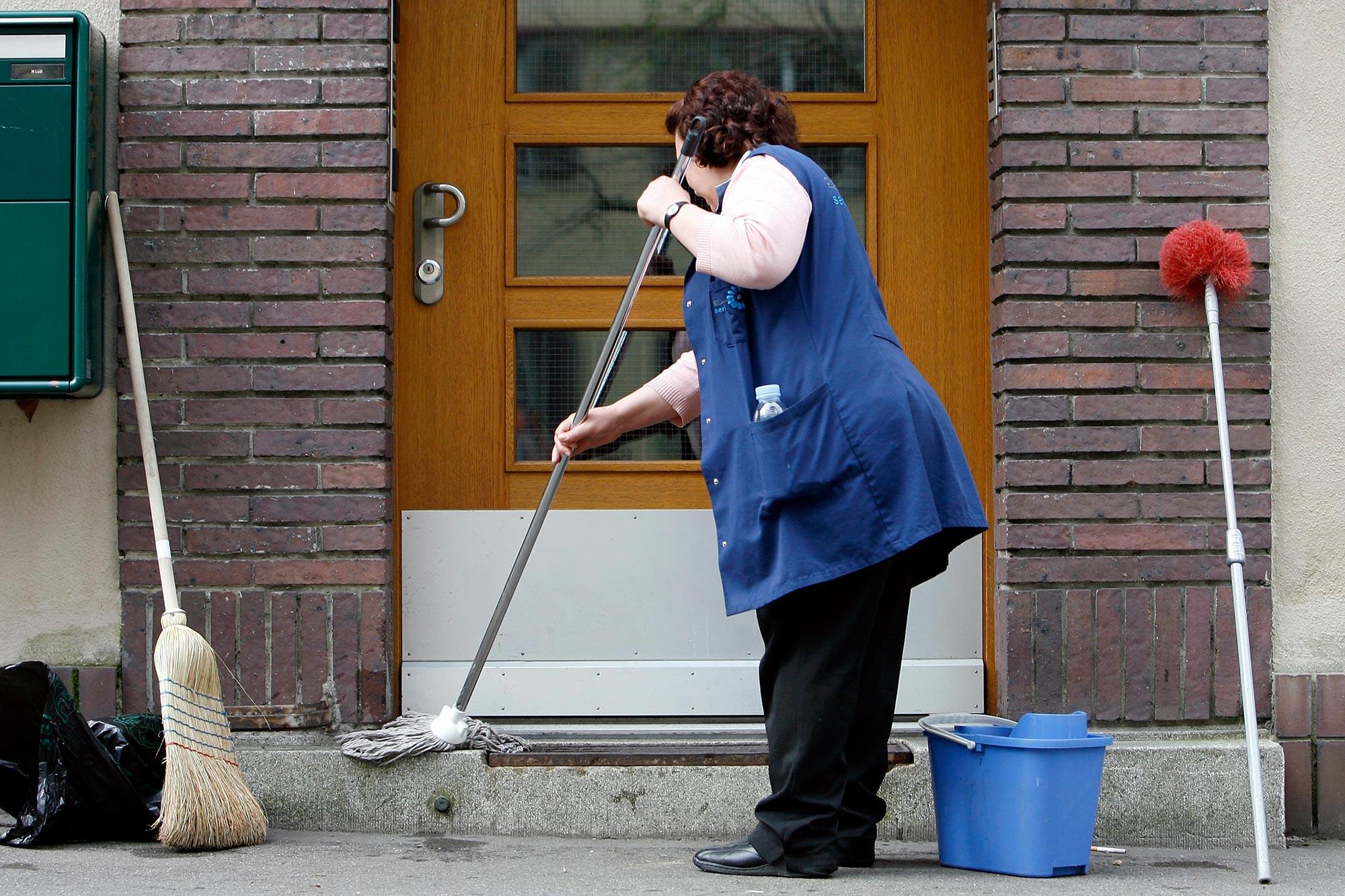
Many female domestic workers from a migrant background faced existential challenges during the pandemic. In an event, researchers from NFP 80 discussed ways out of precariousness with those affected.
The NRP 80 research group ‘Domestic workers and Covid-19’ is investigating how the Covid-19 pandemic has affected the lives of migrant women working as domestic workers in Switzerland. People who did not have an employment contract with a company during the pandemic were not eligible for federal assistance. Domestic workers were therefore unable to benefit from compensation payments for loss of work, as would have been possible, for example, through short-time working compensation. Many female domestic workers from a migrant background also received little recognition for their work and were subject to social stigmatisation.
The research group conducted over 50 interviews with stakeholders in the fields of migration and social affairs and over 90 interviews with female domestic workers from a migrant background to assess the situation of domestic workers during the pandemic. The interviews took place in four large and medium-sized cities in the German- and French-speaking parts of Switzerland, namely Bern, Fribourg, Geneva and Zurich.
Opportunity for exchange
In all four cities, the results were then discussed in World Cafés with affected women and representatives of the cantonal administration. The aim was to gather ideas for overcoming precariousness, discuss recommendations for policy makers and create a space for exchange and networking.
Would I have lost my job?
The women engaged in a lively discussion about their experiences during the pandemic. ‘I would have accepted help if I had known who to turn to,’ said one of the women. An authority referred her to an aid organisation, but they told her they were not responsible. ‘Then I asked my doctor, but he couldn't help me either,’ she said. Another woman explains: ‘How am I supposed to apply for help when my job isn't declared? That's impossible.’ A third woman says: ‘I couldn't talk to my employer. If I had called in sick, I would have lost my job. I couldn't confide in my coworkers either. We were competing for jobs and they would have reported me to the immigration authorities.’
The interviews also show how difficult the Covid-19 pandemic has been for domestic workers with a migrant background. Myrian Carbajal, head of the research group ‘Domestic Workers and Covid-19’, explains that the pandemic has been particularly challenging for families whose members live in different countries. The financial and psychological stress was enormous. Mothers in particular suffered from anxiety about the welfare of their children. The lack of appreciation for their work made the situation of domestic workers even more difficult. ‘Our work is worth less than that done in hospitals,’ said one domestic worker in an interview. ‘We are at the bottom of the list,’ said another.
Numerous recommendations were proposed in the World Cafés, aimed at the women affected themselves, as well as at cantonal and federal authorities and other stakeholder organisations. These range from self-help measures such as setting up an association, to information campaigns by the authorities for those affected, to legislative changes regarding the regulation of residence permits.
Recommendations for decision-makers as a goal
The researchers in the research group will evaluate these contributions over the coming months. ‘We are also planning further discussions with experts from social and health authorities,’ explains Myrian Carbajal. ‘It is important to us that women's voices are heard,’ says the project leader. The recommendations from the research project will be made available to decision-makers and will be included in the synthesis of the NRP 80.