
The Covid-19 pandemic affected a vulnerable generation of young people
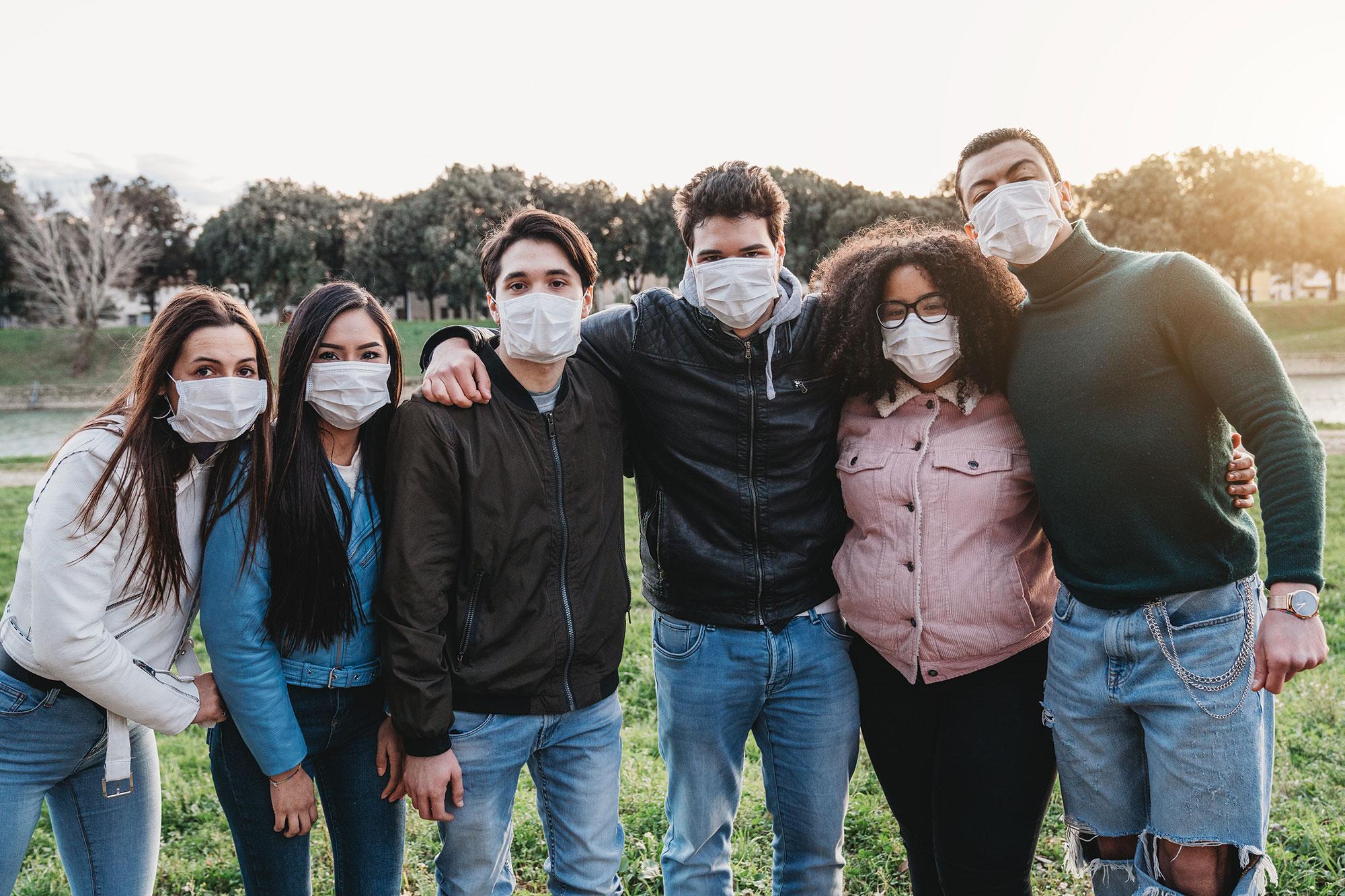
The “Generation Covid” research team has found that young people’s mental health deteriorated more severely during the Covid-19 pandemic than that of older age groups. Even after the crisis, there is still a need for action.
At the start of the pandemic, the main focus was on protecting people at increased risk of health complications and the elderly. The psychological strain on young people was initially significantly underestimated. It was only after pressure from experts and youth organisations that it received attention. The “Generation Covid” project’s findings now show that further action is needed to address young people’s mental health, even beyond the pandemic. Young women’s mental health was particularly badly affected.
The researchers have drawn up a policy report for decision-makers, setting out findings and recommendations on the design, implementation and evaluation of support measures. In it, they state that effective policy measures to support young people require close coordination across sectors and cantons, as well as a long-term political commitment.
Led by Marieke Voorpostel from the University of Lausanne, the research group presented its findings and recommendations to an audience of experts at a closing event.
Marieke Voorpostel, according to your research findings, is there such a thing as a “Covid-19 generation”?
Yes, though there are nuances. Our research shows that young people’s mental health deteriorated more significantly during the pandemic than that of older age groups. However, we also found that young people’s wellbeing was already on the decline even before the Covid-19 pandemic. It is important, though, to recognise that young people are not a single, homogeneous group. Many young people came through the pandemic relatively well and showed remarkable resilience. So when we talk about a “Covid-19 generation”, we do not mean that all young people have experienced lasting effects from the pandemic in the same way. Rather, it was a watershed event that affected a generation which was already facing mounting pressure and increasing vulnerability.
Your findings on the wellbeing of young people are based on quantitative research. Are they supported by qualitative research?
Yes. Our findings are based on quantitative longitudinal data from the Swiss Household Panel. However, they are supported by a qualitative study carried out by colleagues at the University of Geneva. This second study involved in-depth interviews with young people, as well as focus groups with professionals who work with young people and their families. The interviews showed, for example, how the pandemic often intensified pre-existing problems such as family tensions or difficulties at school. The interviews also highlighted experiences of social isolation, as well as the challenges of returning to normal life after the lockdowns, and the feeling among some young people that their efforts and sacrifices during the pandemic had not been recognised. Overall, the quantitative and qualitative results paint a very consistent picture. The pandemic did not affect all young people equally, but it exacerbated existing vulnerabilities and created difficulties that, for some young people, persisted well beyond the lockdowns.
Your research shows that the cantons need to consider gender when promoting young people’s mental health. Does that mean giving priority to young women?
Not necessarily, but it means acknowledging that young women were affected differently – and often more severely – by the pandemic. Our research found that the decline in mental health during and after the pandemic was greater among young women than among young men. For example, anxiety levels rose significantly more among young women. Taking gender into account therefore means ensuring that policy measures and programmes consider different needs. We also identified other vulnerable groups, including young people who are not in education, employment or training (NEETs), as well as young people living in poverty. The aim is not to favour one group over all others, but to promote fairness in public policy. We must ensure that support reaches those who face the greatest risks and obstacles.