Living spaces for all
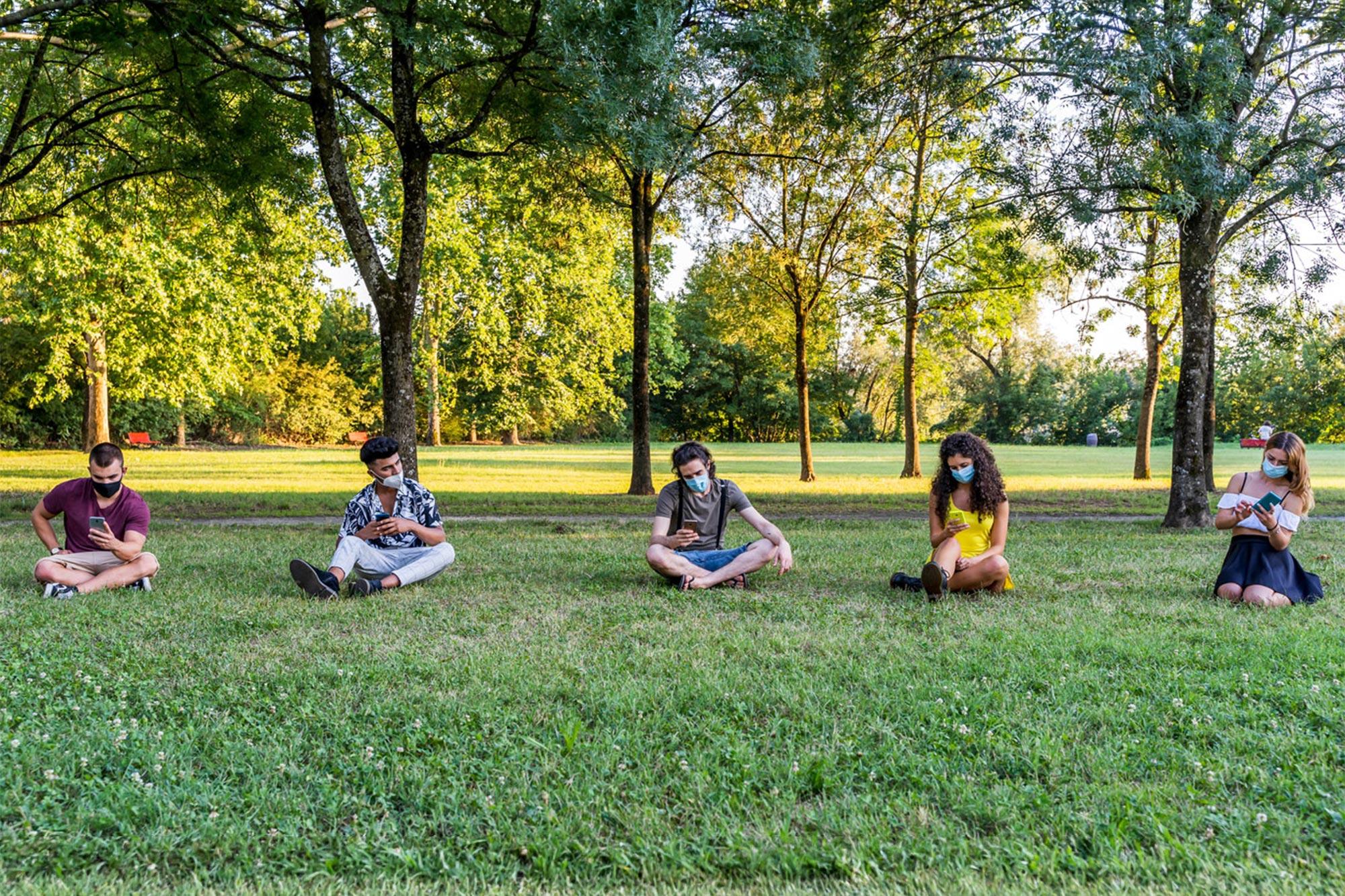
The pandemic highlighted just how important living spaces are for young people and essential workers, and how little they were taken into account in the protective measures. Journalist Urs Hafner explored this topic on DeFacto.
During the Covid-19 pandemic, the protective measures imposed by the authorities had a greater impact on some sections of the population than on others. This was not done out of malice, but because decision-makers failed to take the realities of some people’s lives and their needs in relation to their living environment sufficiently into account. Young people and essential workers, in particular, found it almost impossible to comply with the health authorities’ instructions to stay at home.
For his contribution to the NRP 80 blog series on DeFacto, science journalist Urs Hafner interviewed Anke Kaschlik, head of the NRP 80 research project ‘Urban spaces for young people’, and David Kaufmann, head of the NRP 80 research project ‘Urban essential workers’, on the topic of living spaces and the realities of life in times of crisis.
The findings of the two research groups will provide the authorities with important insights in the event of a future health crisis. For example, urban researcher Anke Kaschlik believes it is essential that representatives from youth work and schools, as well as young people themselves, are involved in crisis planning in future. Political scientist David Kaufmann is convinced that Switzerland needs better socio-spatial monitoring to prepare for a future crisis.