Programme Conference 2026: The research groups present their initial findings
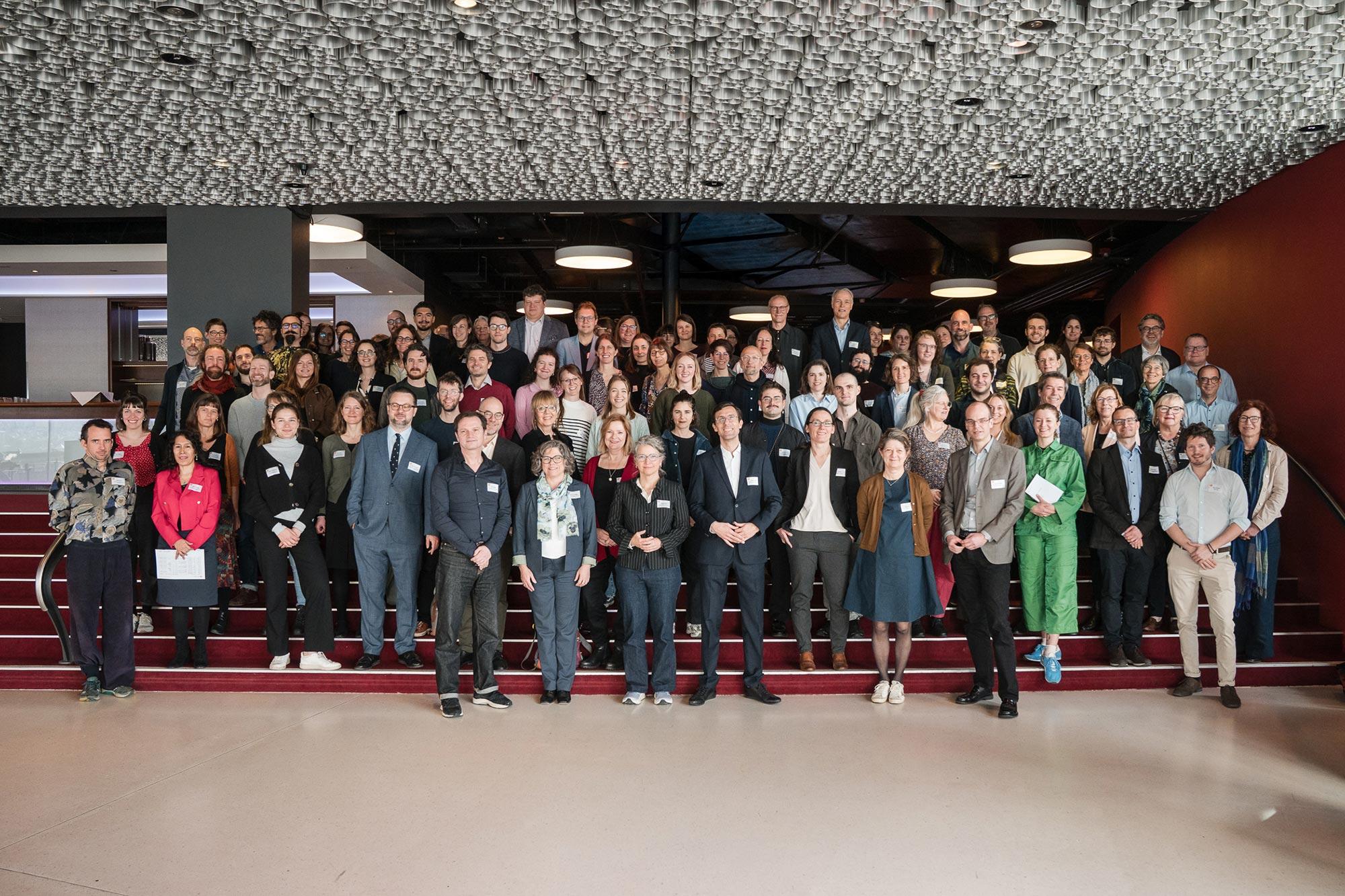
In early March, NRP 80 researchers discussed their initial findings at the annual conference. The event marked a milestone for the synthesis report, due in 2027, which will include recommendations for policymakers and authorities.
Around one hundred researchers from the NRP 80 ‘Covid-19 in Society’ gathered at the Kursaal in Bern on 5 and 6 March for the Programme Conference 2026. The event gave the 25 research groups the opportunity to present initial findings of their work and to exchange ideas with one another. The Federal Administration was also represented as a key stakeholder of the NRP 80. The conference was a milestone ahead of the finalisation of the NRP 80 synthesis report. The latter marks the conclusion of the three-year research work and will contain recommendations for the authorities on how to manage future crises.
A significant contribution to Switzerland
Anne Lévy, Director of the Federal Office of Public Health, delivered the opening address at the programme conference. She had taken up her post in October 2020 during the Covid-19 pandemic and shared her memories and reflections on the crisis. In doing so, she discussed the various phases of the pandemic and the measures taken by the authorities. Anne Lévy particularly emphasised the importance of the revision of the Epidemics Act and the revision of the National Pandemic Plan, two processes to which the NRP 80 has contributed.
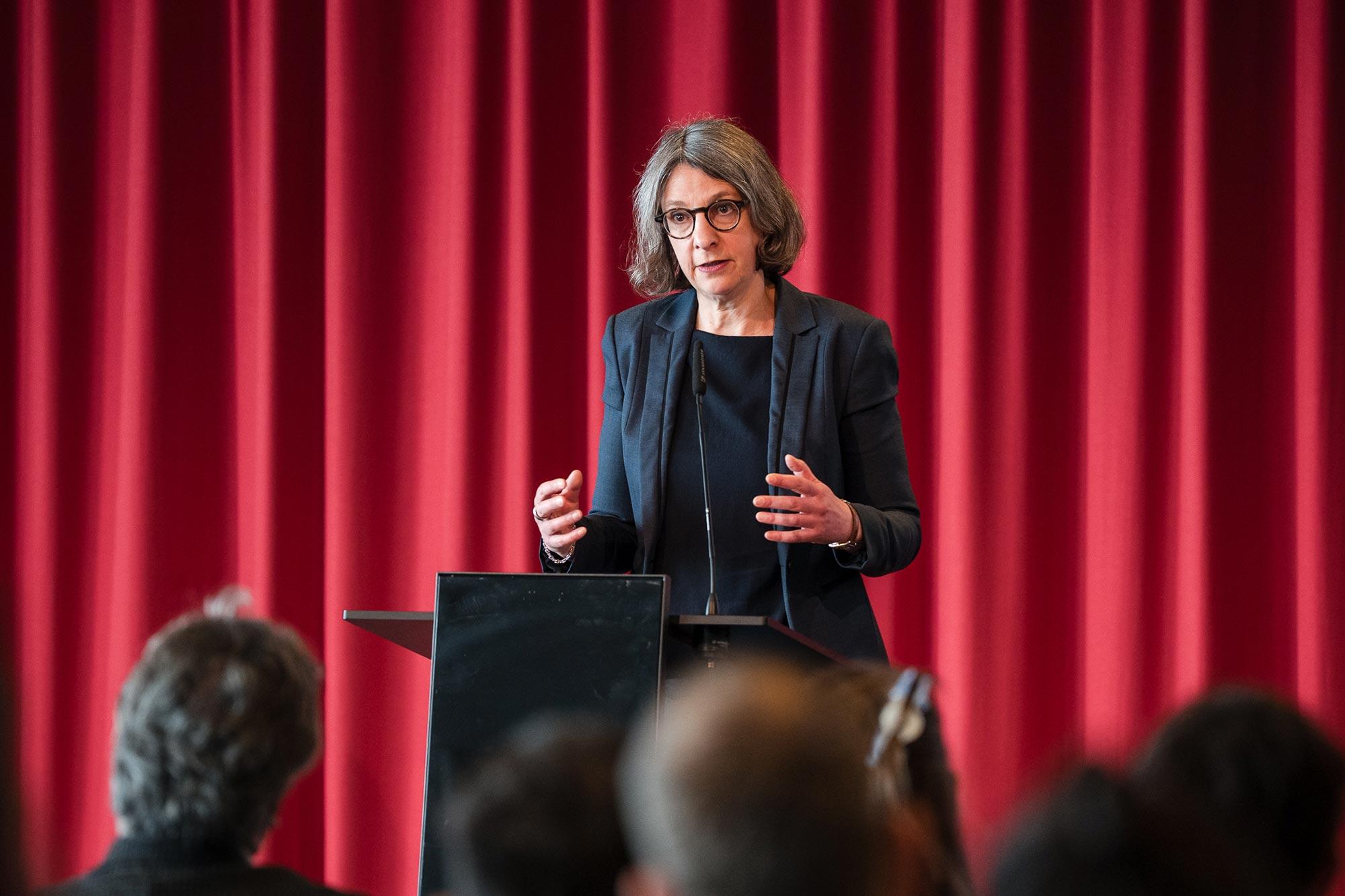
The Director also emphasised the role of the NRP 80 as “a key piece of the puzzle in coming to terms with the greatest health crisis of the last hundred years”. She praised the research groups’ remit: “to shed light on the harmful effects of the pandemic that have received little attention to date”.
She also emphasised the importance of respectful cooperation between science and politics, taking into account their respective roles. “I am convinced that the perspective of the social sciences and humanities – your conclusions and recommendations from the NRP 80 – will make a significant contribution to further strengthening Switzerland’s resilience,” concluded Anne Lévy.
Lessons from the crisis
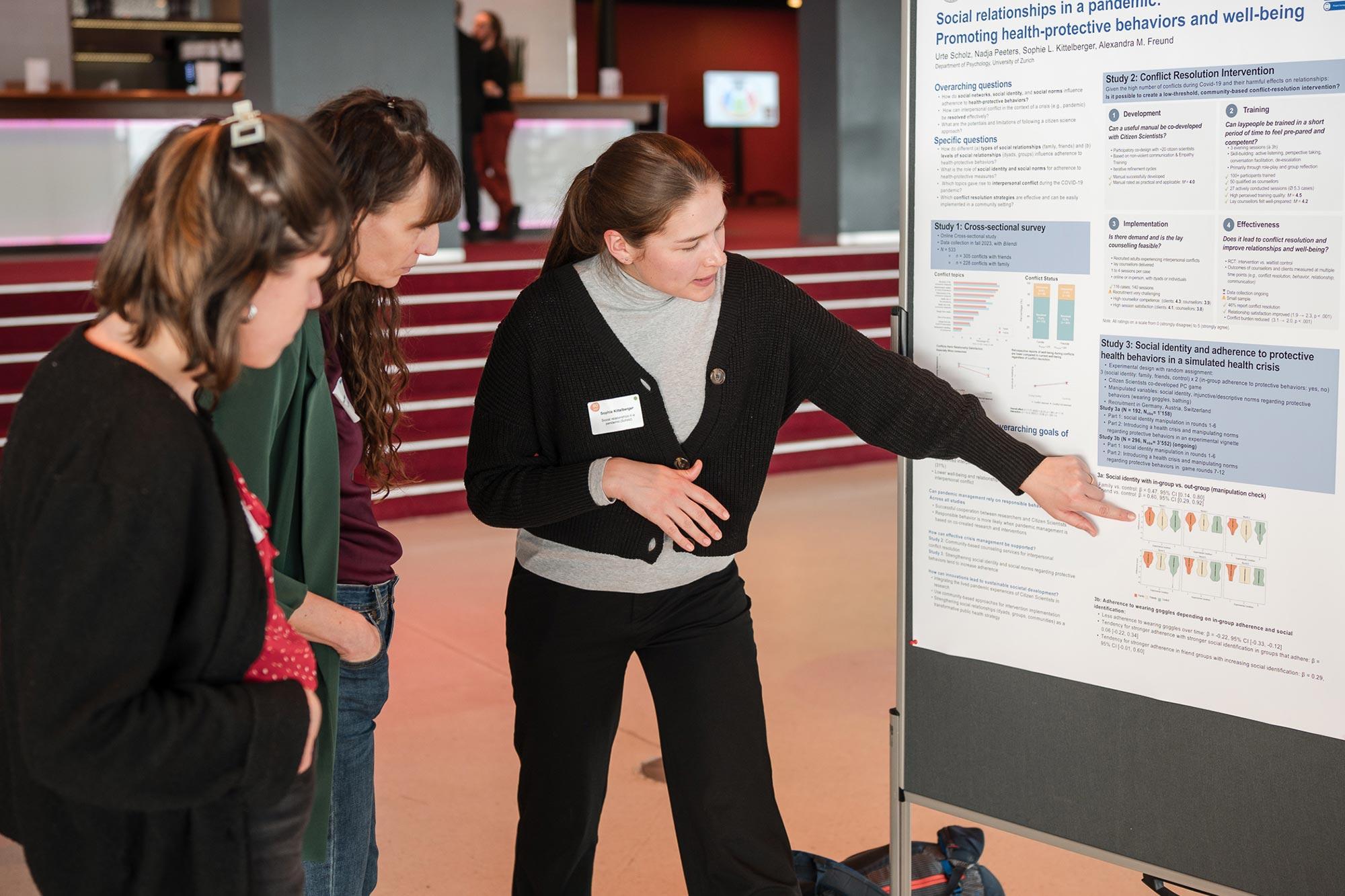
The conference focused on the researchers from the 25 research groups within the NRP 80. They presented the initial findings of their research, which is due to be completed in the coming months. The exchange continued in poster sessions, which encouraged dialogue among the participants and prompted further reflection.

In this context, representatives of the Federal Administration also formulated their expectations for the NRP 80. Thomas Vollmer, representing the Federal Social Insurance Office (FSIO), expressed his conviction that the findings of the NRP 80 will provide a valuable complement to the first monitoring report on poverty in Switzerland, which the Federal Government has published. “The NRP 80 shows that the pandemic has brought certain social problems to light, and we are keen to incorporate these findings into our work,” he explained.
Jean-Christophe Lanzeray of the State Secretariat for Economic Affairs (SECO) and Tindaro Ferraro of the State Secretariat for Migration (SEM) believe that communication with the various social groups could be improved: “We must ensure that every person has access to the information relevant to them during a crisis,” Tindaro Ferraro pointed out. “We have significant room for improvement in this area,” added Jean-Christophe Lanzeray.
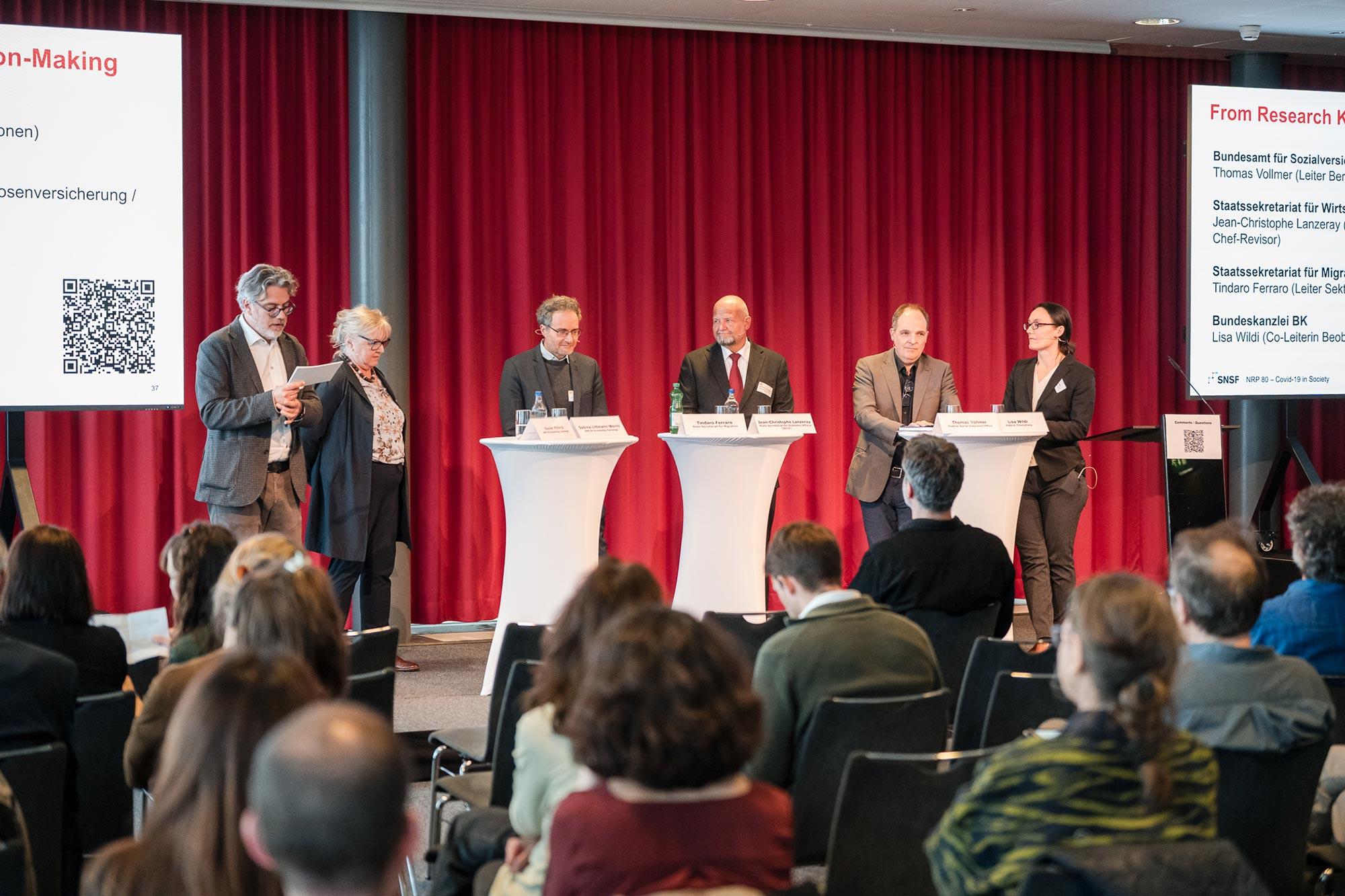
Lisa Wildi, the representative of the Federal Chancellery in the NRP 80, expressed interest in the idea of a systematic monitoring of the social consequences of pandemics. “During the crisis, we saw clearly that a pandemic must be monitored not only from a biomedical perspective, but also from a social viewpoint. The question for us is in what kind of framework we can implement such a monitoring.”