
How young people made use of public spaces during the Covid-19 pandemic
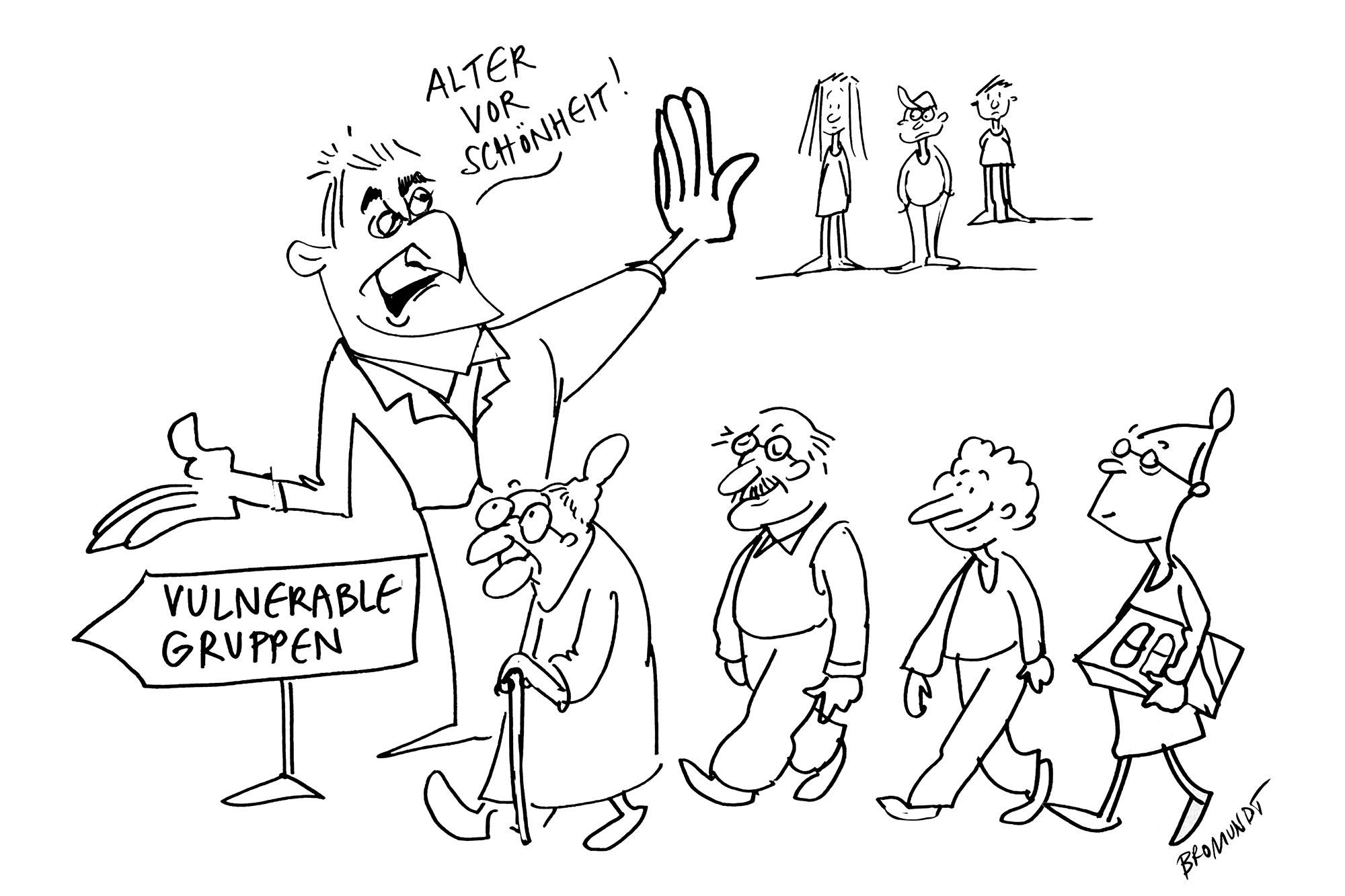
The research group ‘Urban spaces for young people’ has held its closing event. It showed how young people made public spaces their own during the Covid-19 pandemic and the importance of these spaces for young people.
On 23 January 2026, the research project ‘Urban spaces for young people’ presented the findings of its three-year research work at the Toni-Areal in Zurich. In front of around fifty interested attendees, the research group, led by Anke Kaschlik from the School of Social Work at the Zurich University of Applied Sciences (ZHAW), presented the key findings of the project. Based on a qualitative survey of 230 young people from the area around Zurich, the research group demonstrates how young people used and appropriated public spaces during the pandemic-related restrictions.
The focus was on the adaptation strategies young people employed whilst the authorities required them to stay at home. Although young people sometimes resisted by flouting the measures imposed by the authorities, such as bans on gatherings, at other times these same young people also developed new habits in their use of public spaces. Parks, riverbanks and lakeshores became favoured places for retreat, socialising and exploring new habits. Some young people hardly changed their habits during the pandemic, whilst others demonstrated great adaptability and fitted effortlessly into the new normal.
A lack of alternatives explains the resistance
A key finding of the project is that adaptation strategies depend heavily on the environment in which young people have grown up. Resistance is often linked to a lack of alternatives. Young people who did not have enough space at home, a garden or a holiday home tried harder than others to make public spaces their own. The research group therefore believes that urban space should be viewed as social infrastructure, and that cities must take young people’s needs into account in their planning. Young people want accessible and interconnected spaces. They also prefer places they can make their own, offering both spaces that facilitate social interaction and spaces where one can remain unnoticed.
The closing event provided an opportunity to engage in dialogue with stakeholders of the NRP 80. Representatives of the City of Zurich’s Youth Parliament and the urban development and planning departments of the Zurich area were made aware of the research findings and the need to enable young people to participate in the planning of public spaces. The conditions for such participation present a major challenge for urban planners, to which the research group ‘Urban spaces for young people’ was able to provide initial answers. It will publish two policy briefs on the subject in the coming months.
Caption: On 23 January 2026, the illustrator Corinne Bromundt provided live illustrations of the content of the closing event for the research project ‘Urban spaces for young people’ at the Toni-Areal.